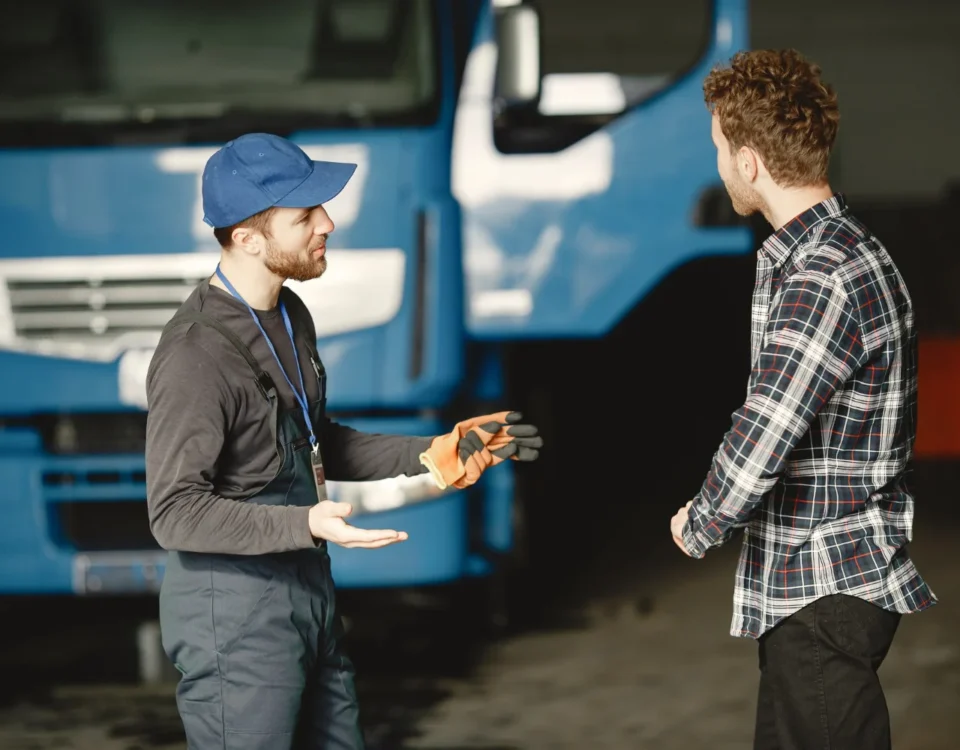


Buying a used commercial vehicle or piece of equipment is a major decision for any business. Whether you need a second-hand truck for deliveries, a trailer for transporting goods, a forklift for your warehouse, earthmoving equipment for a construction project, or a bus for passenger transport, the right purchase can provide years of reliable service without the cost of buying new.
However, buying used also means knowing what to look for. Age, mileage or operating hours are only part of the picture. The vehicle or machine’s condition, service history, previous use, specifications, maintenance requirements and suitability for your business all need to be considered.
At Geno Trading, we buy and sell pre-owned commercial vehicles and equipment in Cape Town, helping businesses find suitable used trucks, trailers, earthmoving equipment, forklifts and buses.
To help you make a more informed decision, here are answers to some of the most common questions buyers have when looking for used commercial vehicles and equipment in South Africa.
Table of Contents
- 1. Is buying a second-hand truck a good investment?
- 2. What should I check before buying a used truck?
- 3. How many kilometres is too many for a used truck?
- 4. What truck brands are most reliable?
- 5. Should I buy a truck based on mileage or age?
- 6. How do I check the history of a used truck?
- 7. What documents should come with a used truck?
- 8. What is the difference between buying from a dealer and a private seller?
- 9. How do I choose the right truck for my business?
- 10. What payload do I need?
- 11. Should I buy a rigid truck or a horse and trailer?
- 12. What should I check when buying a second-hand trailer?
- 13. Which trailer type is right for my business?
- 14. What should I check on a used flatbed, tipper or lowbed trailer?
- 15. Is used earthmoving equipment worth buying?
- 16. What should I check on a used excavator?
- 17. What should I check on a TLB?
- 18. How do I assess the hydraulics on used machinery?
- 19. How many hours is too many on earthmoving equipment?
- 20. What should I check when buying a used forklift?
- 21. How do I know if a forklift has been properly maintained?
- 22. What forklift capacity do I need?
- 23. Is an electric or diesel forklift better for my business?
- 24. What should I check when buying a used bus?
- 25. How do I choose the right bus for my operation?
- 26. What documents do I need when buying a used commercial vehicle?
- 27. Should I finance a second-hand commercial vehicle?
- 28. What ongoing costs should I budget for?
- 29. Should I buy locally or look elsewhere in South Africa?
- 30. Where can I buy quality used trucks, trailers and equipment in Cape Town?
- What Should You Remember When Buying Used Commercial Equipment?
- Looking for Used Trucks, Trailers or Equipment in Cape Town?
1. Is buying a second-hand truck a good investment?
A second-hand truck can be a practical investment for a business when the vehicle is in suitable condition and matches the work it needs to perform. Used trucks can cost considerably less than new vehicles, allowing businesses to acquire additional capacity without taking on the full cost of a new truck.
However, the purchase price should not be the only consideration. You should also consider fuel consumption, maintenance requirements, insurance, licensing, tyres, expected downtime and the truck’s suitability for your specific application.
A well-maintained used truck with a documented history may provide better value than a cheaper truck that requires significant repairs soon after purchase.
2. What should I check before buying a used truck?
A used truck should be inspected from both a mechanical and operational perspective. Important areas to check include the engine, gearbox, clutch, brakes, suspension, steering, chassis, tyres, electrical systems and bodywork.
You should also inspect for oil or coolant leaks, unusual engine noises, excessive smoke, corrosion, signs of accident damage and evidence of poor repairs.
Ask for available service records and documentation, and where possible, take the truck for a proper test drive. If you are not confident assessing the vehicle yourself, consider having it inspected by a qualified mechanic or technician before completing the purchase.
3. How many kilometres is too many for a used truck?
There is no single mileage figure that automatically makes a truck unsuitable for purchase. Commercial trucks are designed to cover significant distances, and two trucks with the same mileage can be in very different condition depending on how they were operated and maintained.
Highway kilometres on a well-maintained vehicle can be very different from demanding stop-start, construction or heavy-load use.
Instead of looking at mileage in isolation, consider the truck’s service history, operating conditions, maintenance records, engine condition and overall mechanical state.
4. What truck brands are most reliable?
South African businesses have access to a wide range of established truck manufacturers, including brands such as Mercedes-Benz, Scania, Volvo, MAN, Isuzu, Hino and UD Trucks.
The right brand depends on your application, budget, required specifications and access to parts and servicing. A truck that is well suited to long-distance transport may not be the best choice for construction or urban deliveries.
Rather than choosing a brand based solely on reputation, compare the specific vehicle’s condition, specifications, service history and expected running costs.
For a more detailed comparison of popular manufacturers, see our guide to the best used truck brands in South Africa.
5. Should I buy a truck based on mileage or age?
Neither mileage nor age should be considered on its own. A newer truck with poor maintenance may be a greater risk than an older truck that has been properly serviced throughout its working life.
Look at the complete history of the vehicle. Consider its mileage, age, service intervals, previous application, maintenance records, mechanical condition and any major repairs that have already been completed.
The most important question is whether the truck is suitable for the work you need it to perform and whether its overall condition supports the asking price.
6. How do I check the history of a used truck?
Start by requesting the vehicle’s available service and maintenance records. These can help establish whether scheduled servicing was carried out and whether major components have been repaired or replaced.
You should also check the vehicle identification details and ensure that the information on the vehicle corresponds with the available documentation.
Ask the seller about the truck’s previous application. Knowing whether it was used for long-distance transport, local deliveries, construction, mining, agriculture or another application can provide useful context when assessing its condition.
7. What documents should come with a used truck?
The exact documentation required can depend on the vehicle and transaction, but buyers should ensure that the vehicle’s ownership and registration documentation is in order and that the relevant vehicle details correspond with the truck being purchased.
Where available, service records, maintenance invoices and other supporting documentation can also be valuable.
Before purchasing, make sure you understand what documentation will be supplied and that the vehicle can legally be transferred and registered in accordance with South African requirements.
8. What is the difference between buying from a dealer and a private seller?
Both dealers and private sellers can offer suitable used vehicles, but the buying experience can differ.
A dealer may have a selection of commercial vehicles and equipment available in one place and can provide information about the vehicles they have for sale. A private seller may be selling a vehicle directly from their own business or fleet.
Regardless of who you buy from, carry out appropriate checks and make sure you understand the condition, documentation and terms of the sale before committing to the purchase.
9. How do I choose the right truck for my business?
Start with the job the truck needs to do rather than starting with a particular brand or model.
Consider what you will transport, the typical load weight and volume, the distances travelled, road conditions, loading requirements and how frequently the vehicle will operate.
You should also consider factors such as payload, body configuration, cab type, wheelbase, drivetrain and available accessories or equipment.
The right truck is one that meets your operational requirements without paying for unnecessary capacity or specifications that your business does not need.
10. What payload do I need?
Payload refers to the amount of weight a vehicle can legally and safely carry. The required payload depends on what your business transports and the typical weight of your loads.
Do not simply choose the largest truck available. A truck that is unnecessarily large can increase purchase and operating costs, while one that is too small may not meet your requirements.
Consider your normal load requirements as well as the legal weight limits applicable to the vehicle and the roads on which it will operate.
11. Should I buy a rigid truck or a horse and trailer?
The choice between a rigid truck and a horse and trailer combination depends on your operation, load requirements and the flexibility you need.
A rigid truck has the body and vehicle integrated into one unit. This can be practical for businesses carrying consistent loads or operating in environments where manoeuvrability is important.
A horse and trailer combination can provide greater flexibility, particularly where different trailers can be used for different types of loads or applications.
Consider your typical routes, load sizes, loading requirements, storage space, driver requirements and the type of cargo you transport before deciding which option is suitable for your business.
12. What should I check when buying a second-hand trailer?
Start by inspecting the trailer’s chassis and frame for cracks, corrosion, distortion, damage or evidence of previous repairs. These structural components are particularly important because trailers can be exposed to heavy loads and demanding operating conditions.
Check the suspension, axles, brakes, tyres, wheels and coupling equipment. Look for excessive wear, leaks or components that appear damaged or poorly maintained.
For specialised trailers, inspect the equipment specific to its purpose. For example, a tipper trailer should be checked for the condition and operation of its tipping mechanism, while a lowbed should be assessed for its deck, ramps and loading configuration.
Make sure the trailer’s specifications are suitable for the loads you intend to transport.
13. Which trailer type is right for my business?
The right trailer depends largely on what you need to transport and how the trailer will be used.
- Flatbed trailers: Suitable for a range of goods where easy loading and unloading is important.
- Tipper trailers: Designed for applications where loads need to be discharged by tipping.
- Lowbed trailers: Commonly used for transporting heavy machinery and equipment.
- Specialised trailers: Designed for particular loads or industries and may include additional features for specific applications.
Consider the size, weight and shape of your typical loads, as well as how they are loaded and unloaded.
Geno Trading’s guide to flatbed, tipper and lowbed trailers provides more information about choosing between these common trailer types.
14. What should I check on a used flatbed, tipper or lowbed trailer?
Start with the trailer’s structural components. Inspect the chassis and frame for cracks, corrosion, bending or evidence of previous repairs.
Check the axles, suspension, brakes, tyres, wheels and coupling system. On a tipper, inspect the hydraulic system and tipping mechanism for leaks or damage. On a lowbed, pay particular attention to the deck, ramps and areas that experience heavy loading.
You should also check that the trailer is suitable for the weight and dimensions of the equipment or goods you intend to transport.
If you identify significant structural, mechanical or hydraulic issues, have the trailer assessed by a qualified professional before purchasing.
15. Is used earthmoving equipment worth buying?
Used earthmoving equipment can be a practical option for construction, agricultural, landscaping and other businesses that need machinery without the cost of purchasing new equipment.
However, earthmoving machinery often operates in demanding environments, so condition is particularly important. Excavators, TLBs, loaders, graders and other machines should be inspected carefully before purchase.
Operating hours, maintenance history, hydraulic condition, undercarriage condition and the machine’s previous application should all be considered.
The purchase price should also be considered alongside potential repair and maintenance costs. A cheaper machine may not provide the expected value if significant repairs are required soon after purchase.
16. What should I check on a used excavator?
Inspect the excavator’s engine, hydraulic system, boom, dipper, bucket, pins, bushes, tracks and undercarriage.
Hydraulic leaks can indicate problems that require further investigation, while excessive movement in pins and bushes can indicate wear. Check the tracks or tyres and inspect the undercarriage for signs of significant wear.
Operate the machine if possible and pay attention to unusual noises, slow or inconsistent hydraulic movement and other abnormal behaviour.
Also ask about the excavator’s previous application. A machine used for demanding digging or heavy construction work may have experienced different levels of wear compared with one used for lighter applications.
17. What should I check on a TLB?
When inspecting a used TLB, check both the loader and backhoe functions. Inspect the engine, hydraulics, hydraulic cylinders, hoses, bucket, boom, dipper, pins and bushes.
Check the tyres, chassis and stabilisers for wear or damage and look for hydraulic leaks around the machine.
Operate both ends of the TLB where possible. A visual inspection alone may not reveal problems with hydraulic performance, movement or other working components.
Service records and information about the machine’s previous use can also help you understand its overall condition.
18. How do I assess the hydraulics on used machinery?
Look for visible hydraulic leaks around hoses, cylinders, pumps and connections. Damaged or worn hoses should be investigated, while oil around hydraulic components may indicate a leak.
Operate the machine through its normal functions and observe whether movements are smooth and consistent. Slow, jerky or unusually weak movements may require further investigation.
Listen for unusual noises while the hydraulic system is operating and check whether the machine maintains normal performance under load.
Because hydraulic systems can be complex and expensive to repair, consider having specialist machinery inspected by a qualified technician if you are unsure about its condition.
19. How many hours is too many on earthmoving equipment?
There is no universal operating-hour limit that determines whether a machine is worth buying. Operating hours should be considered alongside maintenance history, previous application and current condition.
A machine that has been serviced consistently and operated correctly may be in better condition than one with fewer hours that has experienced poor maintenance or particularly demanding use.
Look at the complete picture rather than using the hour meter as the only measure of value. Pay attention to wear on major components, service records and how the machine operates.
20. What should I check when buying a used forklift?
Inspect the forklift’s mast, forks, chains, hydraulics, tyres, steering, brakes and safety equipment. Look for leaks, excessive wear, damaged components and unusual noises.
Check the forks for excessive wear, cracks or damage and inspect the mast and lifting components for signs of abnormal wear.
Test the lifting and lowering functions and make sure the controls operate correctly.
Also consider the forklift’s rated lifting capacity, lift height and fuel or power source. The forklift needs to be suitable for the loads, working environment and operating conditions in your business.
21. How do I know if a forklift has been properly maintained?
Maintenance records are one of the most useful indicators. Ask whether servicing and repairs have been documented and whether the forklift has been maintained according to the manufacturer’s requirements.
Physical condition can also provide clues. Excessive wear, leaks, damaged forks, worn tyres or poorly maintained hydraulic components may indicate that the machine has experienced heavy use or inadequate maintenance.
However, appearance alone cannot establish the complete maintenance history, so documentation should be considered wherever available.
If you are unsure about the condition of a forklift, an inspection by a suitably qualified technician can help identify mechanical or safety issues before purchase.
22. What forklift capacity do I need?
The required forklift capacity depends on the weight and dimensions of the loads you need to move.
Consider your heaviest typical load rather than choosing a capacity based only on average loads. You should also consider the height at which loads need to be lifted, because lifting capacity can be affected by the load centre and lift height.
Always operate the forklift within its rated capacity and according to the manufacturer’s specifications and applicable workplace safety requirements.
If you regularly handle different types of loads, consider the full range of tasks the forklift will need to perform rather than selecting a machine based on only one application.
23. Is an electric or diesel forklift better for my business?
Neither option is automatically right for every business. The suitable choice depends on where and how the forklift will be used.
Electric forklifts can be suitable for many indoor applications where emissions and noise need to be minimised. Diesel forklifts may be suitable for certain outdoor or demanding applications.
Consider your working environment, operating hours, load requirements, available charging infrastructure, fuel requirements and ongoing maintenance when comparing options.
The decision should also take into account the space available for charging or refuelling and the amount of continuous operation required from the forklift.
24. What should I check when buying a used bus?
Start by checking the bus’s overall mechanical condition, including the engine, gearbox, brakes, suspension, steering, tyres and electrical systems.
Inspect the passenger compartment, seats, doors, windows, flooring and other interior components. Check for corrosion, water damage and signs of poor repairs.
Pay particular attention to the condition of components that affect passenger safety and the vehicle’s ability to operate reliably.
The intended use is also important. A bus used for staff transport, school transport, tourism or another passenger service may have different requirements depending on the operation.
Make sure you also understand the relevant registration, licensing and compliance requirements before putting a used bus into service.
25. How do I choose the right bus for my operation?
Start by determining how many passengers you need to transport and what type of routes the bus will operate on.
Consider passenger capacity, seating configuration, luggage requirements, route length, road conditions and how frequently the bus will operate.
You should also consider accessibility requirements, fuel consumption, maintenance support and the overall condition of the vehicle.
A bus intended for short urban routes may have different requirements from one used for longer-distance passenger transport. Think about the actual operating conditions before choosing a vehicle.
26. What documents do I need when buying a used commercial vehicle?
Documentation requirements depend on the type of vehicle or equipment and the transaction, but buyers should ensure that ownership, registration and vehicle identification details are properly documented.
For road-going vehicles, confirm that the relevant registration and licensing requirements are understood before purchase. For trailers, trucks and buses, make sure the documentation corresponds with the actual vehicle.
Where available, service records, maintenance invoices and inspection records can also provide useful information about the vehicle’s history.
If you are unsure about the documentation required for a specific vehicle, confirm the requirements with the relevant South African authorities before completing the transaction.
27. Should I finance a second-hand commercial vehicle?
Financing can allow a business to purchase a commercial vehicle or piece of equipment without paying the full purchase price upfront. Whether financing is suitable depends on your business’s financial position, cash flow and how the vehicle or equipment will contribute to your operations.
Before choosing finance, consider the deposit, interest rate, repayment period, monthly instalments, insurance and ongoing running costs.
It is important to look at the total cost of the finance rather than focusing only on the monthly repayment. You should also consider whether the expected income or operational benefit from the vehicle will justify the overall cost.
28. What ongoing costs should I budget for?
The purchase price is only one part of the cost of owning a commercial vehicle or piece of equipment. Before buying, consider the ongoing expenses associated with operating and maintaining the asset.
Depending on the type of vehicle or equipment, these costs can include:
- Fuel or electricity
- Routine servicing
- Repairs and replacement parts
- Tyres
- Insurance
- Licensing and registration
- Operator or driver costs
- Storage
- Unexpected repairs
- Downtime when the vehicle or equipment is unavailable
Considering the total cost of ownership can help you compare different used vehicles and equipment more realistically, rather than looking only at the initial asking price.
29. Should I buy locally or look elsewhere in South Africa?
Buying locally can make it easier to inspect a vehicle or piece of equipment before purchasing. It can also simplify collection, transportation and arranging an inspection.
However, the right vehicle or machine for your business may not always be located close to you. Looking at options elsewhere in South Africa can give you access to a wider range of used trucks, trailers and equipment.
If you are considering a vehicle or machine outside your area, factor in the cost of transporting it to your business. You should also consider how you will inspect it before purchasing and whether an independent inspection is appropriate.
Whether you buy locally or from elsewhere in South Africa, assess the condition, documentation, specifications and total cost before making a decision.
30. Where can I buy quality used trucks, trailers and equipment in Cape Town?
Geno Trading buys and sells pre-owned commercial vehicles and equipment in Cape Town, including used trucks, trailers, earthmoving equipment, forklifts and buses.
Our range is suited to businesses and operators looking for pre-owned equipment for transport, construction, logistics, agriculture, industrial and other commercial applications.
If you are looking for a specific type of used commercial vehicle or equipment, contact Geno Trading to discuss your requirements and find out what is currently available.
Contact Geno Trading to enquire about available trucks, trailers, forklifts, earthmoving equipment and buses in Cape Town.