
Table of Contents
- Introduction
- Understand Your Business Needs
- Know the Types of Earthmoving Equipment
- Check the Equipment’s Condition Thoroughly
- Inspect the Engine and Hydraulics
- Review Service History and Documentation
- Test the Equipment On-Site
- Ensure Legal Compliance in South Africa
- Compare Prices in the Cape Town Market
- Buy From a Trustworthy Dealer
- Plan for Long-Term Maintenance
- Final Thoughts
Introduction
Purchasing used earthmoving equipment can save your business a significant amount, but without proper inspection, it can quickly turn into an expensive mistake. In Cape Town, where construction, mining, and landscaping projects are constantly underway, making the right choice is crucial.
This guide will walk you through everything to check before buying used earthmoving machinery, helping you make a smart investment that keeps your projects running smoothly.
Understand Your Business Needs
Before you even start looking, clearly define your business requirements:
- What type of projects do you handle (construction, landscaping, mining)?
- How often will the equipment be in use?
- What load capacities do you need?
- What terrain will the machinery operate on in and around Cape Town?
Knowing these factors ensures you choose the right equipment type and avoid overpaying for features you don’t need.
Know the Types of Earthmoving Equipment
Different machinery is designed for specific tasks:
- Excavators: Used for digging, trenching, and demolition.
- Bulldozers: Used to move large quantities of soil, sand, or rubble.
- Loaders (Wheel or Skid-Steer): Used for lifting and loading materials efficiently.
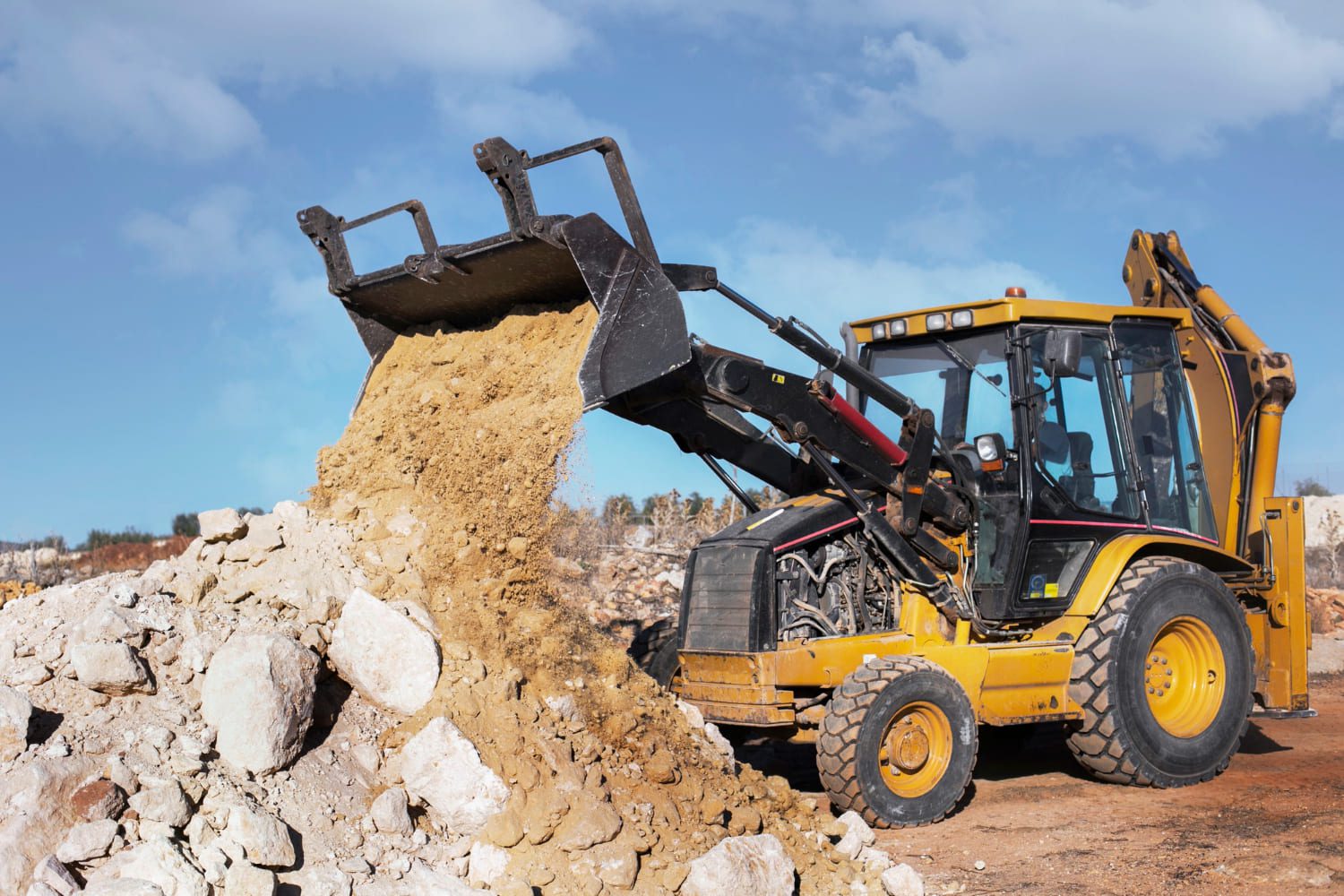
- Backhoe Loaders: Versatile for small-to-medium projects and a variety of tasks.
- Graders: Used for levelling surfaces and roads.
- Dump Trucks / Tippers: Used for transporting materials across sites.
Check the Equipment’s Condition Thoroughly
Used earthmoving equipment in Cape Town is often exposed to harsh terrain and coastal conditions. Look for:
- Rust and corrosion: Especially on undercarriages and attachments.
- Structural damage: Cracks in the frame or welds.
- Wear and tear on tracks or tyres: Uneven wear can indicate poor maintenance.
- Hydraulic leaks: Obvious leaks may signal expensive repairs.
- Operator cabin: Ensure controls, gauges, and safety equipment function correctly.
A thorough inspection helps you avoid unexpected breakdowns.
Inspect the Engine and Hydraulics
The engine and hydraulic systems are the heart of any earthmoving machine:
- Check engine oil and coolant levels.
- Listen for unusual noises during operation.
- Inspect hydraulic hoses, cylinders, and pumps for leaks or damage.
- Look for signs of overheating or worn components.
Engines and hydraulics are costly to repair, so ensuring they’re in good condition is essential.
Review Service History and Documentation
Ask the seller for complete service records. This should include:
- Regular maintenance logs
- Previous repairs and replacements
- Warranty (if any) and insurance history
- Proof of compliance with South African safety regulations
A well-documented machine is typically more reliable and easier to resell later.
Test the Equipment On-Site
Always test the machinery in a realistic work environment:
- Operate all functions to check responsiveness
- Move the equipment over the terrain, it will work on
- Test hydraulic and lifting capabilities
- Listen for unusual noises or vibrations
On-site testing can reveal issues that paperwork or visual inspections alone cannot.
Ensure Legal Compliance in South Africa
Used earthmoving equipment must meet South African regulations:
- Ensure road-legal machinery is registered if required
- Confirm compliance with health and safety standards
- Check that emissions and noise regulations are met
Non-compliance can result in fines and operational delays.
Compare Prices in the Cape Town Market
Prices vary depending on age, brand, condition, and demand:
- Check multiple dealerships and online platforms
- Compare similar machines to gauge fair pricing
- Consider the total cost of ownership, including repairs and transport
Sometimes, a slightly more expensive but well-maintained machine is a smarter investment.
Buy From a Trustworthy Dealer
Choose a dealer or seller who is transparent and experienced:
- Provides clear photos and equipment specifications
- Allows on-site inspections and independent mechanical checks
- Offers assistance with registration and compliance
A reliable dealer reduces the risk of buying faulty equipment.
Plan for Long-Term Maintenance
Used earthmoving equipment requires ongoing upkeep. Plan for:
- Scheduled maintenance and servicing
- Replacement of high-wear components (tyres, hydraulic hoses, filters)
- Budgeting for unexpected repairs
Long-term planning ensures equipment remains productive and cost-effective.
Final Thoughts
Buying used earthmoving equipment in Cape Town doesn’t have to be risky. By understanding your needs, inspecting the machinery thoroughly, verifying service history, and buying from reputable dealers, you can make a smart investment that supports your business for years to come.